【生成式人工智慧與機器學習導論2025】第3講:解剖大型語言模型representation
https://www.youtube.com/watch?v=Xnil63UDW2o
Token Embedding 是在Layer 1输入的那个, Contextualized Embedding(也就是我们说的representation表征) 指的是经过Layer 1输出的那个.
Representation Engineering, Activation Engineering, Activating Steering…
Logit Lens
对每一层进行 Unembedding ,可以看每一层的思考所对应的文字,窥探语言模型的思考过程
Patchscopes
把一个向量(一个token/字)替换成一句话
Layer解读(使用Transformer架构的解读)
Layer 中还有 Layer.
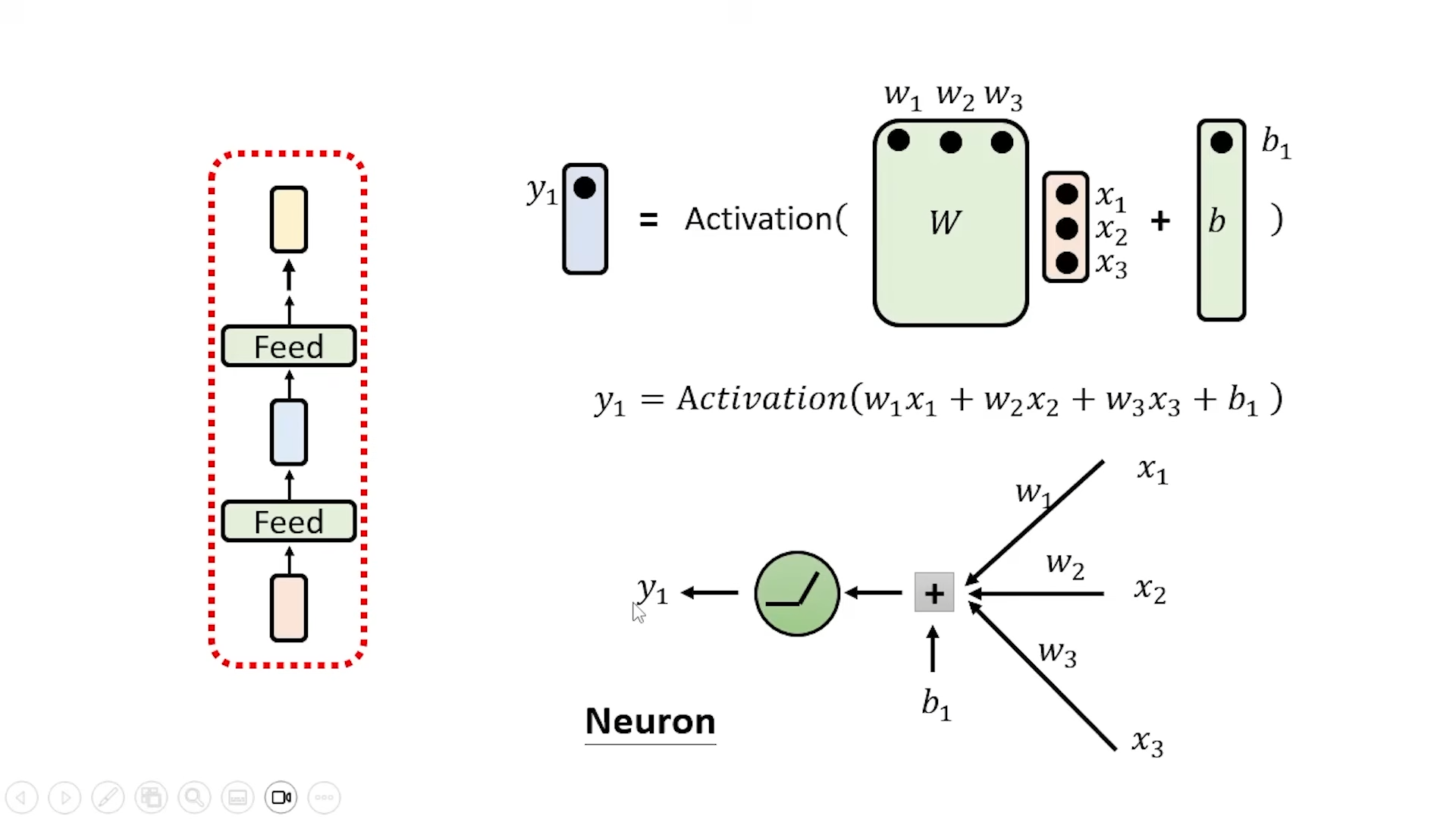
首先过 Self-attention Layer (attention layer), 考虑上下文就是因为 attention layer, 输出经过几个 Feed Forward Layer
典中典,要求手撕 Attention Layer ,
自己跟自己也要进行dot product
dot product 叫 Attention weight, 要所有的 weight 过 Softmax
Positional Embedding
Llama 用 Rope , 旋转位置编码, 为了把位置的咨询加入到计算中
Multi-head Attention
每一个 head 的作用不一样
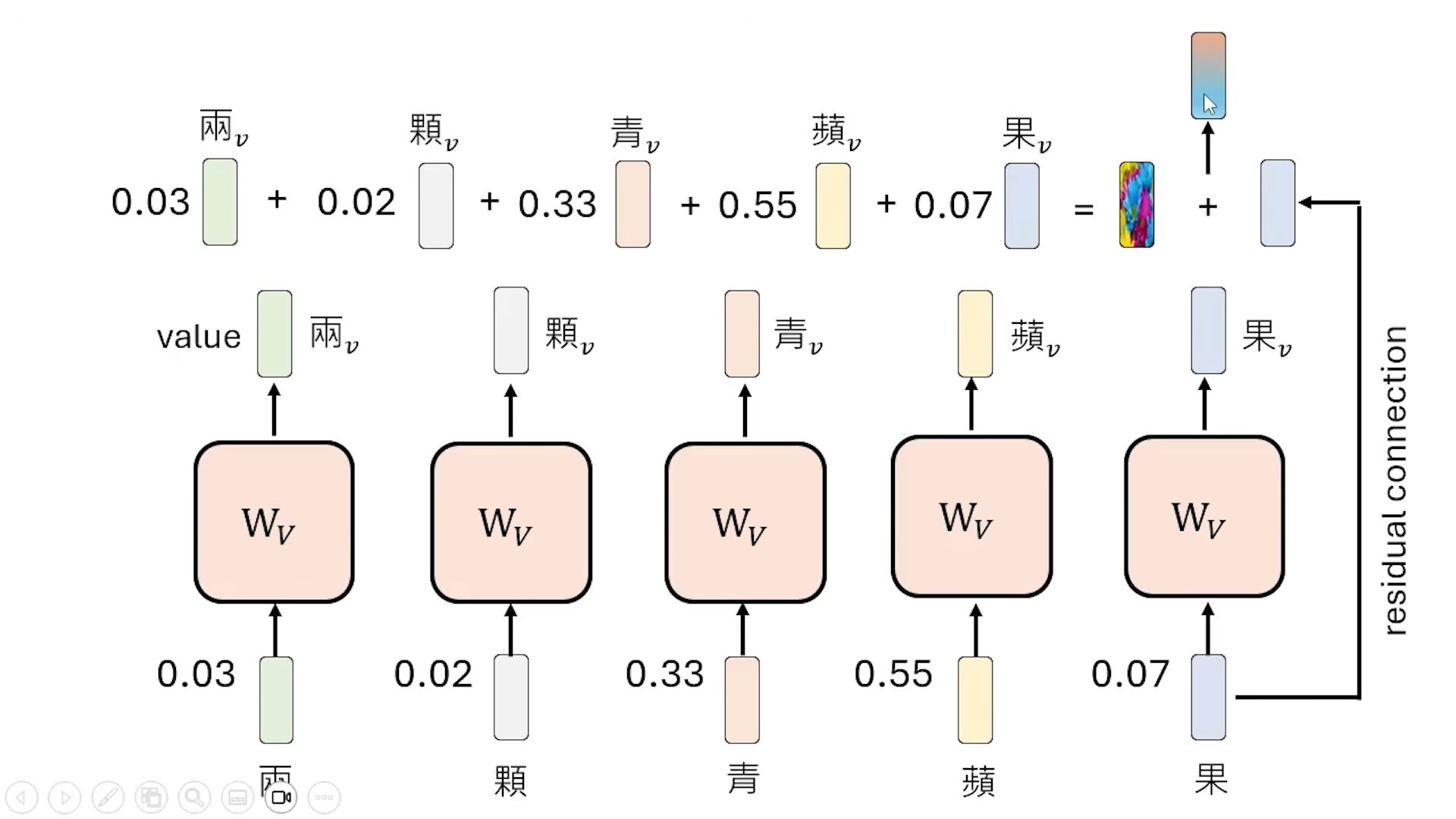
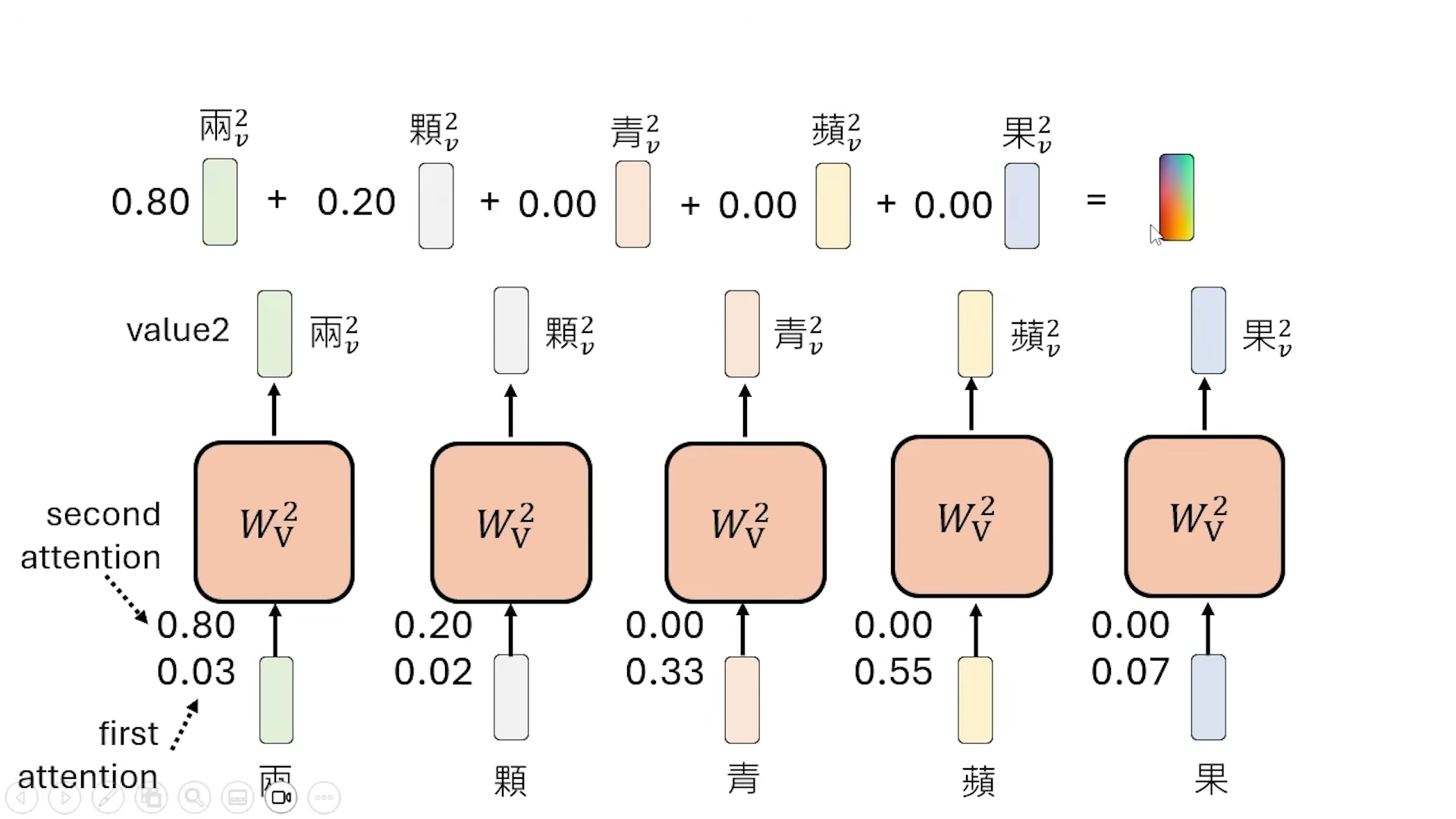
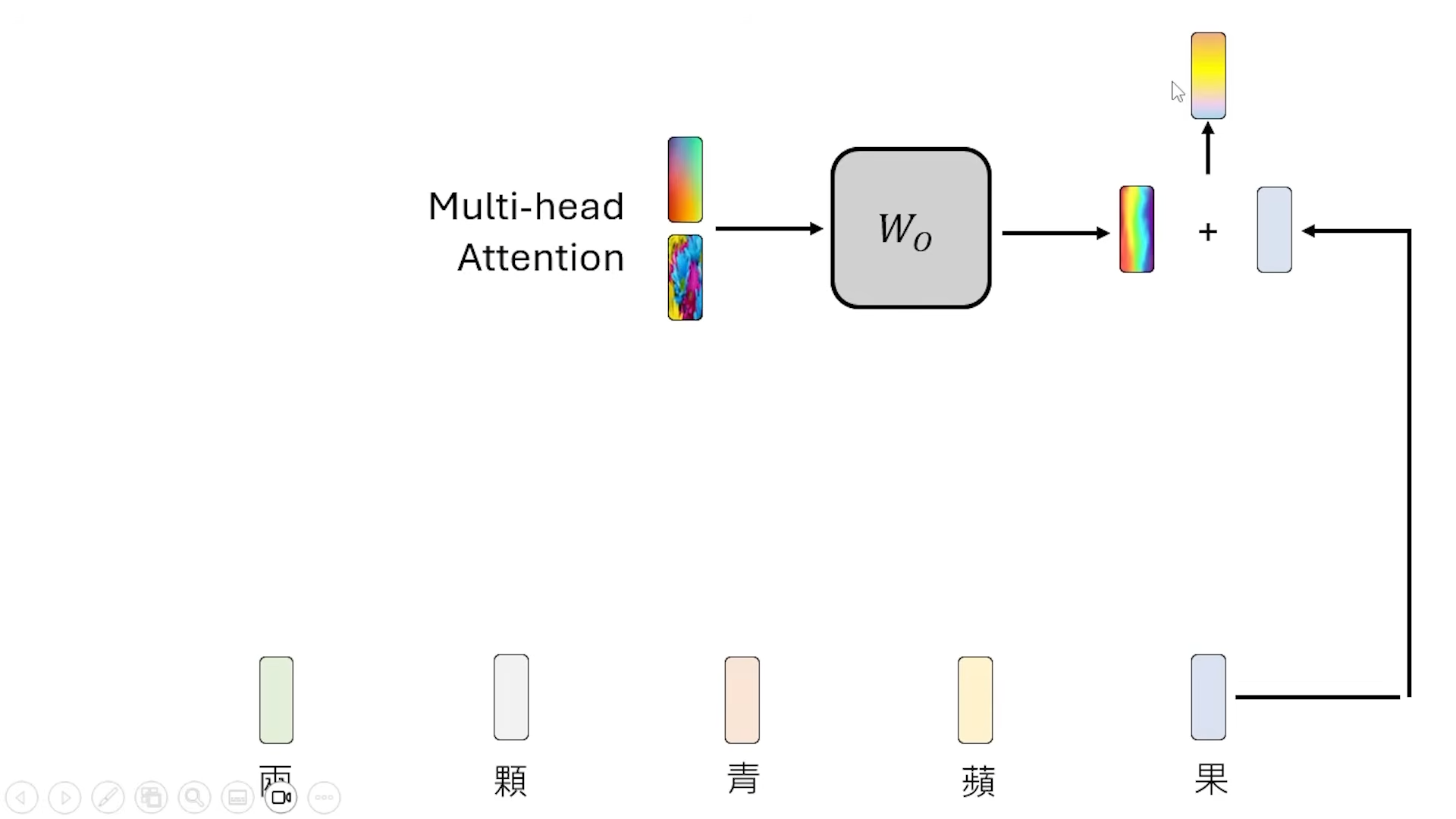
目前的语言模型大多数都是 Causal Attention, 这样计算方便(Autogressive)
实做环节
|
|
深度学习模型的参数通常以多个矩阵 (Matrix) 和向量 (Vector) 的形式存储。向量、矩阵等统称为张量(Tensor)
Llama3 有28层,Gemma4B 有44层
|
|
一文看懂大模型推理过程
内容特别简单,适合感兴趣的小白简单阅读
https://zhuanlan.zhihu.com/p/1931115470431454357
TTFT(Time To First Token)
Tokenizer + Prefill
一般是推理过程里耗时最多的一步,尤其当输入内容多、模型参数大时
TPOT(Time Per Output Token)
Decoding Loop中的每一次推理
模型每“说”一个字/词的时间
TPOT 越低,响应越流畅。
但模型越大,TPOT 越高;
GPU 负载越高、token越复杂,TPOT 也会变慢。
ITL(Inference Time Latency)
Tokenizer + Prefill + Decoding Loop + Post-processing
ITL = 从你提问到回答完整输出的总耗时。
它 = TTFT + n × TPOT
Engram
https://zhuanlan.zhihu.com/p/1994328242795090231
微调技术
https://zhuanlan.zhihu.com/p/636481171
The Big LLM Architecture Comparison
https://magazine.sebastianraschka.com/p/the-big-llm-architecture-comparison
Understanding Reasoning LLMs
https://magazine.sebastianraschka.com/p/understanding-reasoning-llms